For many homeowners, the first indication of a well pump problem isn’t complete water loss.
More often, the system begins showing small changes that gradually become more noticeable over time.
Recognizing these warning signs early may allow problems to be addressed before they become larger repairs or leave your home without water.
According to Mark Phipps Jr., Pump Department Manager at Phipps Water Solutions, paying attention to changes in your system is one of the best ways homeowners can protect their investment.
Water Pressure Begins to Change
One of the most common warning signs is a noticeable change in water pressure.
You may experience:
- Lower pressure than normal
- Pressure that fluctuates while using water
- Reduced flow from multiple fixtures
While these symptoms don’t automatically mean the pump is failing, they do indicate the system should be evaluated.
The Pump Runs More Often
If your pump seems to start more frequently than it used to, something in the system may have changed.
Frequent cycling can sometimes indicate issues involving:
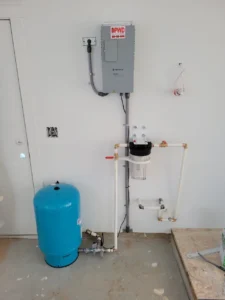
- The pressure tank
- Pressure switch
- Plumbing system
- The pump itself
A professional diagnosis helps identify the actual cause before replacing equipment unnecessarily.
Water Flow Becomes Inconsistent
Another common symptom is inconsistent water delivery.
You may notice:
- Strong pressure that suddenly drops
- Intermittent water flow
- Water sputtering from faucets
These symptoms can have several causes, making a complete system evaluation important.
Unusual Noises
Most well systems operate quietly.
If you begin hearing unusual sounds from:
- The pump controls
- Pressure tank area
- Electrical components
it’s worth having the system inspected.
Changes in operating sounds often indicate that something within the system deserves attention.
Higher Electrical Usage
Although homeowners don’t always notice immediately, a struggling pump may operate longer than normal.
Longer run times can increase electrical usage over time.
If you notice other performance changes along with higher electric bills, it’s another reason to schedule an inspection.
Don’t Assume the Pump Is the Problem
One of the biggest misconceptions homeowners have is assuming every water problem requires a new pump.
Mark emphasizes that many symptoms associated with pump failure can actually originate elsewhere in the system.
Issues involving pressure tanks, switches, filters, plumbing restrictions, or electrical components can all create similar symptoms.
Replacing the pump without identifying the root cause may not solve the problem.
Don’t Wait Until You Have No Water
Many homeowners delay calling for service because the system is still operating.
Unfortunately, waiting until the pump completely stops working can limit repair options and create an inconvenient emergency.
Having the system inspected after the first warning signs appear often provides more flexibility and may prevent additional damage.
Protect Your Water System
A well pump is one part of a larger water system.
Routine maintenance, regular inspections, and paying attention to changes in performance all help extend equipment life and improve long-term reliability.
Addressing small problems early is often the best way to avoid larger repairs later.
FAQs
Yes. We prioritize urgent well and pump issues — especially no-water situations that affect your home, farm, or business. Our team works to respond as quickly as possible, and we’ll help diagnose the problem and get service scheduled based on the urgency of your situation. If you’re experiencing a water system emergency, contact us right away and we’ll walk you through your fastest available options.
Several warning signs may indicate that your well or pump system needs professional attention.
Common symptoms include:
- Low or inconsistent water pressure
- Dirty or discolored water
- Air sputtering from faucets
- Unusual noises from the pump system
- A sudden and complete loss of water
- Your pump running more frequently than normal
- Higher-than-expected electric bills
- Changes in water taste or odor
Addressing these issues early can help prevent more costly repairs and reduce the risk of a complete system failure. If you’re experiencing any of these problems, the Phipps Water Solutions team can inspect your system, identify the cause, and recommend the most effective solution.
Pump lifespan varies depending on water quality, usage patterns, installation quality, and maintenance. Many pumps provide years of reliable service when properly maintained.
Common warning signs include reduced water pressure, intermittent water service, short cycling, unusual noises, and increased electrical usage.
Low pressure can result from pump issues, pressure tank problems, clogged filters, plumbing restrictions, or groundwater-related concerns.
Routine maintenance, proper sizing, prompt repairs, water quality management, and periodic inspections can help maximize the lifespan of a well pump.
Since 1977, Phipps Water Solutions has built a reputation for dependable service, honest
communication, and deep knowledge of Idaho’s groundwater conditions. As a family-owned and veteran-owned company, we focus on long-term relationships and practical solutions — not one-time transactions. Our customers trust us because we’ve spent decades helping Idaho homeowners, farmers, ranchers, and businesses protect one of their most important resources: a reliable water supply.
Frequent cycling, poor water quality, electrical issues, improper sizing, and lack of maintenance can all contribute to premature pump failure.

Mark Phipps Jr. is the Pump Department Manager at Phipps Water Solutions. He specializes in diagnosing, repairing, and maintaining residential, agricultural, and commercial water systems throughout Idaho. His experience includes pump troubleshooting, pressure systems, pump replacements, water delivery systems, preventative maintenance, and helping well owners keep reliable water service year-round.