One of the most common questions homeowners ask before starting a well project is:
“How long will it take to drill my well?”
It’s a reasonable question.
Whether you’re building a home, developing a piece of property, or replacing an existing well, access to water is often one of the most important parts of the project.
The answer is that every well is different.
The timeline depends on factors such as site conditions, well depth, geology, equipment access, and the overall scope of the project.
There Is No One-Size-Fits-All Timeline
Many homeowners hope for a simple answer.
Unfortunately, drilling a water well isn’t like pouring a driveway or installing an appliance.
Every property presents different challenges.
Factors that can affect the timeline include:
- Well depth
- Geological conditions
- Property access
- Groundwater conditions
- Weather
- Equipment requirements
Because no two properties are identical, timelines can vary significantly from one project to another.
Site Preparation Matters
One factor homeowners often overlook is site preparation.
Chase Mellon, Drilling Department Manager at Phipps Water Solutions, says one question he wishes homeowners would ask more often is:
How much space do I need to provide for you to work efficiently?
It’s a great question.
Properties with adequate access and working room often allow drilling crews to operate more efficiently.
Limited access, fencing, trees, overhead power lines, landscaping, and other obstacles can all create challenges that affect productivity.
Preparing the site ahead of time can help keep a project moving smoothly.
What Happens During the Drilling Process?
Many homeowners think only about the drilling rig.
The reality is that drilling is only one part of the overall process.
A typical project may involve:
- Site evaluation
- Utility locating
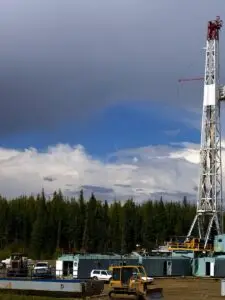
- Equipment setup
- Drilling the well
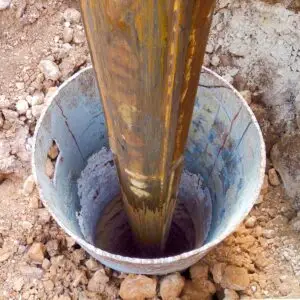
- Installing casing
- Developing the well
- Installing pumping equipment
- System startup and testing
Each step plays an important role in creating a reliable water system.
Geology Has a Big Impact
One of the biggest factors affecting drilling timelines is what happens underground.
Different geological formations drill at different rates.
Some formations allow drilling to progress efficiently.
Others may require additional time and specialized techniques.
Because geology varies significantly throughout Idaho, it’s impossible to predict every condition before drilling begins.
Well Depth Matters Too
The depth of the well naturally affects the amount of drilling required.
As discussed in our article about Idaho well depths, nearby properties can have dramatically different well requirements.
Chase regularly sees this variation throughout the Treasure Valley.
We are in a very diverse groundwater area here in the Treasure Valley. We have wells that are 40 feet deep and flow artesian, and five miles away the wells can be 700+ feet deep producing only 1–2 gallons per minute.
A deeper well generally requires more drilling than a shallow well, but depth is only one part of the equation.
Drilling Is Only Part of the Project
Many homeowners think the project is complete once drilling stops.
In reality, additional work is often required before water is flowing into the home.
Depending on the project, this may include:
- Pump installation
- Pressure tank installation
- Electrical work
- Water testing
- Final system startup
It’s important to think about the complete water system rather than focusing only on the drilling portion.
How Homeowners Can Help
Property owners can often help projects move more efficiently by:
- Providing clear site access
- Communicating future building plans
- Marking known utilities
- Discussing irrigation needs
- Asking questions early
Good communication and preparation help minimize delays and ensure everyone is working toward the same goals.
Focus on Long-Term Reliability
Most homeowners understandably want their project completed as quickly as possible.
However, speed should never come at the expense of quality.
A properly constructed well is expected to provide water for decades.
Taking the time to build the system correctly is far more important than simply finishing quickly.
FAQs
Yes. Our team is familiar with Idaho’s well construction requirements and can help guide you through the permitting process. Permit requirements vary depending on property location, intended water use, and project type. Idaho law requires a drilling permit before any new well can be constructed — learn more about Idaho’s drilling permit requirements under IDAPA 37.03.09, Rule 45. We’ll help you understand what’s needed and keep your project moving forward.
Yes. We prioritize urgent well and pump issues — especially no-water situations that affect your home, farm, or business. Our team works to respond as quickly as possible, and we’ll help diagnose the problem and get service scheduled based on the urgency of your situation. If you’re experiencing a water system emergency, contact us right away and we’ll walk you through your fastest available options.
Yes. Phipps Water Solutions provides well drilling, pump services, well rehabilitation, and well abandonment for residential, agricultural, and commercial properties throughout Southwest Idaho. Whether you need a water well for a new home, a high-capacity agricultural well for irrigation or livestock, or a commercial water system for your business, our experienced team can help design, maintain, or repair a system that meets your specific needs.
There is no standard well depth in Idaho. In some parts of the Treasure Valley, wells may be less than 100 feet deep, while nearby properties may require wells hundreds of feet deeper. Local geology and groundwater conditions determine how deep a well must be drilled.
Drillers evaluate several factors when selecting a location, including property access, future maintenance needs, setback requirements, utilities, and overall site layout. The goal is to choose a location that provides reliable access to groundwater while remaining practical for long-term ownership.
Several warning signs may indicate that your well or pump system needs professional attention.
Common symptoms include:
- Low or inconsistent water pressure
- Dirty or discolored water
- Air sputtering from faucets
- Unusual noises from the pump system
- A sudden and complete loss of water
- Your pump running more frequently than normal
- Higher-than-expected electric bills
- Changes in water taste or odor
Addressing these issues early can help prevent more costly repairs and reduce the risk of a complete system failure. If you’re experiencing any of these problems, the Phipps Water Solutions team can inspect your system, identify the cause, and recommend the most effective solution.
The timeline varies depending on the property’s geology, well depth, site access, and drilling conditions. Some wells can be completed relatively quickly, while others require additional time due to challenging formations or deeper drilling requirements. The overall project timeline may also include permitting, pump installation, and system setup after drilling is complete.
Most residential water wells can be drilled in one to three days, depending on depth, ground conditions, and site accessibility. After drilling, additional time is typically needed for pump installation, pressure system setup, water testing, and final system completion. Our team will keep you informed throughout the process and provide a realistic timeline based on your property’s specific conditions.
The cost to drill a water well varies depending on several factors, including the depth of the well, local geology, casing requirements, site accessibility, and the type of pump and water system needed. Because every property is different, there is no one-size-fits-all price for a new well.
At Phipps Water Solutions, we provide customized estimates based on your property’s location, water needs, and project requirements. The best way to get an accurate cost is to contact us for a consultation and site-specific estimate.
Not always. A deeper well does not automatically mean a better well. The ideal depth depends on local geology, groundwater conditions, and the water-bearing formations encountered during drilling. Experienced drillers evaluate conditions during the project and make recommendations accordingly.
Since 1977, Phipps Water Solutions has built a reputation for dependable service, honest
communication, and deep knowledge of Idaho’s groundwater conditions. As a family-owned and veteran-owned company, we focus on long-term relationships and practical solutions — not one-time transactions. Our customers trust us because we’ve spent decades helping Idaho homeowners, farmers, ranchers, and businesses protect one of their most important resources: a reliable water supply.

Chase Mellon is the Drilling Department Manager at Phipps Water Solutions. He oversees drilling operations throughout Idaho and has extensive experience with groundwater conditions, well construction, drilling practices, water systems, and well ownership education.