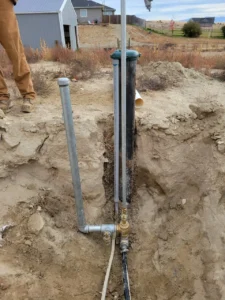
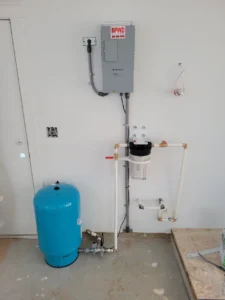
Few homeowners spend much time thinking about their well pump until something goes wrong.
When water pressure drops, the system begins acting unusually, or water service becomes unreliable, one of the first questions homeowners ask is:
“Can this be repaired, or does it need to be replaced?”
The answer depends on several factors.
In some situations, a repair may be the most practical and cost-effective solution. In others, replacement may provide better long-term value and reliability.
The key is understanding the condition of the entire system before making a decision.
Start With a Proper Diagnosis
Many well system problems can produce similar symptoms.
For example:
- Low water pressure
- Frequent cycling
- Intermittent water loss
- Unusual noises
- Reduced system performance
can be caused by several different components.
Before deciding whether to repair or replace a pump, it’s important to determine what is actually causing the problem.
Sometimes the issue may involve:
- The pressure tank
- Electrical components
- Pressure switches
- Plumbing restrictions
- Water treatment equipment
rather than the pump itself.
A proper diagnosis helps avoid unnecessary repairs and replacement costs.
Age Is Only Part of the Equation
Homeowners often assume the age of the pump automatically determines whether replacement is necessary.
That’s not always true.
Some older pumps continue to operate reliably, while newer pumps may experience problems due to operating conditions, water quality, or installation issues.
The overall condition of the equipment is usually more important than the calendar age alone.
When Repair May Make Sense
Repair is often a reasonable option when:
- The problem is isolated
- The system is otherwise in good condition
- Performance has been reliable
- The repair addresses the root cause
In many situations, a targeted repair can restore performance and extend the life of the system.
When Replacement May Be Worth Considering
Replacement may make more sense when:
- Problems occur repeatedly
- Multiple components are nearing the end of their service life
- Reliability has become a concern
- Repair costs continue to accumulate
The goal is not simply fixing today’s problem.
It’s making the decision that provides the best long-term value.
Consider the Entire Water System
A well pump doesn’t operate by itself.
It works together with:
- Pressure tanks
- Electrical controls
- Plumbing components
- Water treatment equipment
Sometimes replacing a single component doesn’t fully address underlying system issues.
Evaluating the entire system helps ensure all contributing factors are considered.
Reliability Matters
For most homeowners, reliability is often just as important as cost.
A water system is something families depend on every day.
Unexpected interruptions can affect:
- Household water use
- Livestock operations
- Irrigation
- Business activities
- Property maintenance
When evaluating options, it’s important to consider both immediate expenses and long-term dependability.
Don’t Wait for Complete Failure
One of the biggest mistakes homeowners make is delaying service until water is completely gone.
Most systems provide warning signs before major failures occur.
Common warning signs include:
- Pressure changes
- Frequent cycling
- Unusual noises
- Reduced flow
- Intermittent service
Addressing problems early often provides more repair options and helps avoid emergency situations.
Work With an Experienced Professional
Every well system is different.
The right decision depends on the condition of the equipment, system performance, water demands, and long-term goals.
An experienced technician can evaluate the system and explain the options so homeowners can make an informed decision.
Sometimes repair is the best choice.
Sometimes replacement provides greater value.
The important thing is making the decision based on accurate information rather than assumptions.
FAQs
Yes. We prioritize urgent well and pump issues — especially no-water situations that affect your home, farm, or business. Our team works to respond as quickly as possible, and we’ll help diagnose the problem and get service scheduled based on the urgency of your situation. If you’re experiencing a water system emergency, contact us right away and we’ll walk you through your fastest available options.
Several warning signs may indicate that your well or pump system needs professional attention.
Common symptoms include:
- Low or inconsistent water pressure
- Dirty or discolored water
- Air sputtering from faucets
- Unusual noises from the pump system
- A sudden and complete loss of water
- Your pump running more frequently than normal
- Higher-than-expected electric bills
- Changes in water taste or odor
Addressing these issues early can help prevent more costly repairs and reduce the risk of a complete system failure. If you’re experiencing any of these problems, the Phipps Water Solutions team can inspect your system, identify the cause, and recommend the most effective solution.
Pump lifespan varies depending on water quality, usage patterns, installation quality, and maintenance. Many pumps provide years of reliable service when properly maintained.
Common warning signs include reduced water pressure, intermittent water service, short cycling, unusual noises, and increased electrical usage.
Low pressure can result from pump issues, pressure tank problems, clogged filters, plumbing restrictions, or groundwater-related concerns.
Routine maintenance, proper sizing, prompt repairs, water quality management, and periodic inspections can help maximize the lifespan of a well pump.
Since 1977, Phipps Water Solutions has built a reputation for dependable service, honest
communication, and deep knowledge of Idaho’s groundwater conditions. As a family-owned and veteran-owned company, we focus on long-term relationships and practical solutions — not one-time transactions. Our customers trust us because we’ve spent decades helping Idaho homeowners, farmers, ranchers, and businesses protect one of their most important resources: a reliable water supply.
Frequent cycling, poor water quality, electrical issues, improper sizing, and lack of maintenance can all contribute to premature pump failure.

Mark Phipps Jr. is the Pump Department Manager at Phipps Water Solutions. He specializes in diagnosing, repairing, and maintaining residential, agricultural, and commercial water systems throughout Idaho. His experience includes pump troubleshooting, pressure systems, pump replacements, water delivery systems, preventative maintenance, and helping well owners keep reliable water service year-round.