One of the most surprising things homeowners discover when planning a new well is that neighboring properties can have dramatically different wells.
A friend may have a shallow, high-producing well, while another property just a few miles away required much deeper drilling to reach a reliable water supply.
So why does that happen?
According to Chase Mellon, Drilling Department Manager at Phipps Water Solutions, it’s because the Treasure Valley has highly variable groundwater conditions.
Groundwater Isn’t Uniform
Many people imagine groundwater as a large underground lake.
In reality, groundwater moves through different layers of rock, gravel, sand, and sediment.
Those formations can change considerably across relatively short distances, affecting both well depth and water production.
A Great Example From the Treasure Valley
Chase often explains just how dramatically groundwater conditions can change.
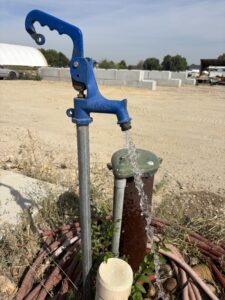
We are in a very diverse groundwater area here in the Treasure Valley. We have wells that are 40 feet deep and flow artesian, and five miles away, wells can be over 700 feet deep producing only one to two gallons per minute.
That variation surprises many homeowners, but it’s a normal part of drilling in this region.
Why Nearby Wells Aren’t a Guarantee
One of the most common questions homeowners ask is:
“My neighbor’s well is 180 feet deep. Will mine be too?”
The answer is:
Not necessarily.
Nearby well records can provide useful information, but they don’t predict exactly what will happen on your property.
Each drilling project is unique.
Several Factors Influence a Well
Every property has its own combination of conditions.
Those may include:
- Local geology
- Underground water-bearing formations
- Elevation
- Property location
- Household water demand
Because of these variables, no contractor can promise identical results from one parcel to the next.
Why Site Evaluations Matter
Before drilling begins, contractors evaluate the property and review available information to help plan the project.
That evaluation may include:
- Existing well records
- Property layout
- Required setbacks
- Equipment access
- Local groundwater knowledge
Combining these factors helps determine the most appropriate drilling plan for the site.
Planning Creates Better Expectations
Understanding that every property is different helps homeowners approach the project with realistic expectations.
Rather than comparing one property to another, it’s more helpful to evaluate your own site’s conditions and discuss them with an experienced drilling contractor.
Local Experience Matters
Groundwater conditions vary throughout Idaho, and local knowledge makes a difference.
Contractors who work in the Treasure Valley every day develop an understanding of regional geology, common drilling conditions, and the factors that influence successful well construction.
That experience helps homeowners make informed decisions before drilling begins.
FAQs

Chase Mellon is the Drilling Department Manager at Phipps Water Solutions. He oversees drilling operations throughout Idaho and has extensive experience with groundwater conditions, well construction, drilling practices, water systems, and well ownership education.